
Historical Sites & Museums

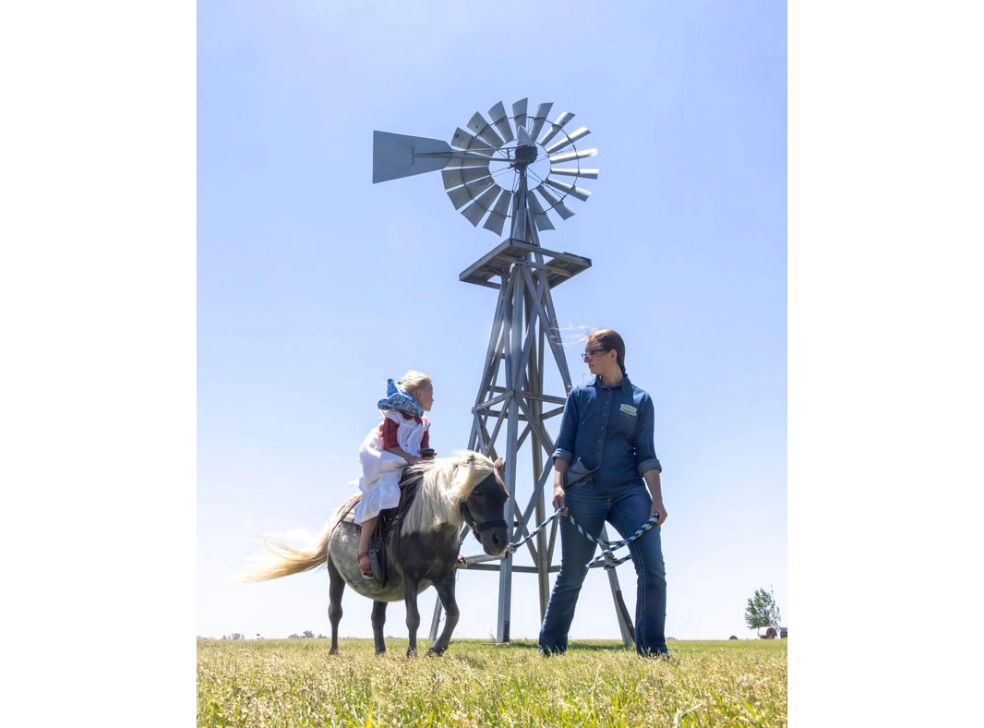
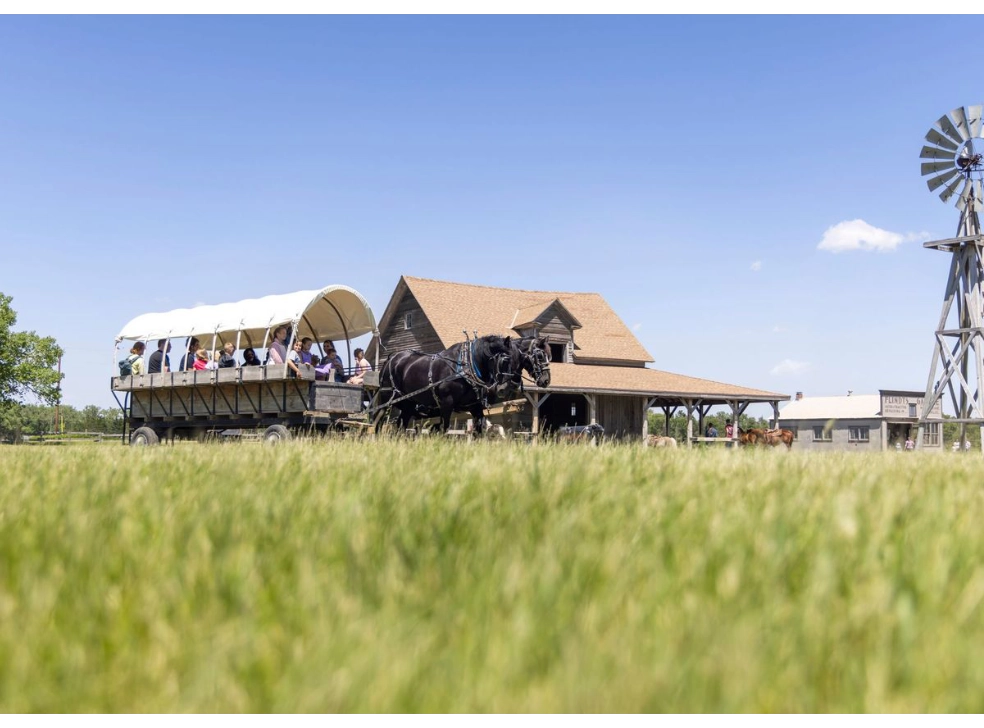
Horse and Covered Wagon

Historical Sites & Museums

De Smet boasts numerous historical sites that bring the stories of Laura Ingalls Wilder’s beloved “Little House” books to life. Moving to the area in 1879, the Ingalls family was our town’s first residents, and Laura documented the founding of De Smet in five of her nine books. Preserving this history has been the work of many dedicated residents for decades, and our community is proud to share it with visitors. Here are a few favorite historical sites.

LAURA INGALLS WILDER MEMORIAL SOCIETY

Discover Laura

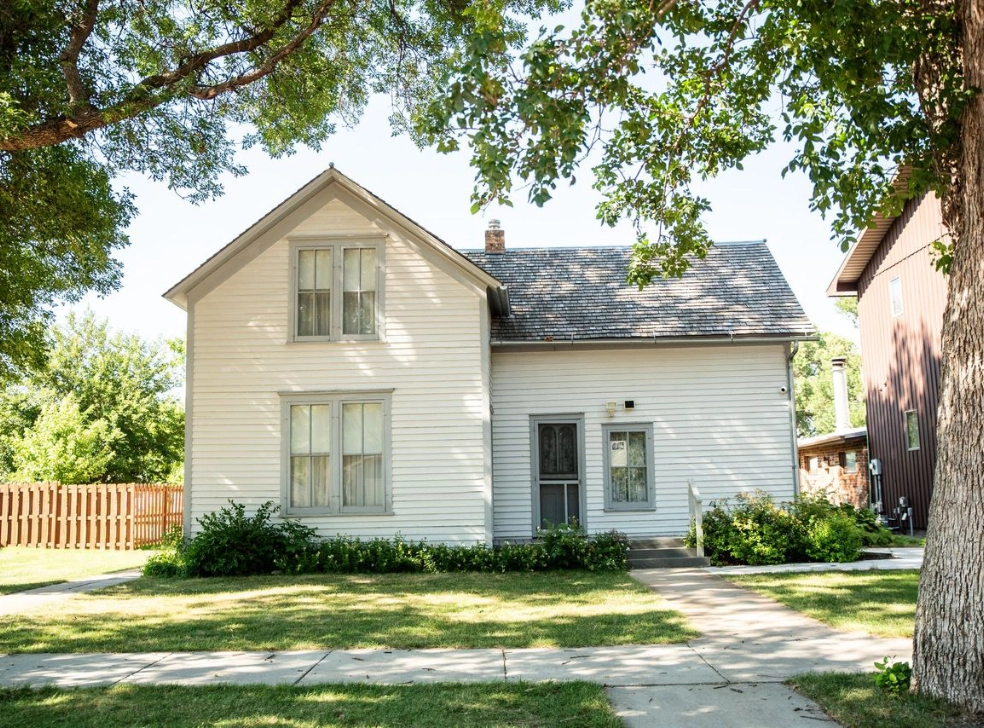
Founded in 1957, the Laura Ingalls Wilder Memorial Society preserves and presents the largest collection of Ingalls family artifacts and memorabilia with over 2000 pieces. Tour the original homes, including the Surveyors’ House and the Ingalls Home on 3rd Street, and the First School of De Smet. Engage in pioneer activities at the Discovery Center, where you can dress like a pioneer and learn to sew on a treadle sewing machine. Perfect for all ages, their exhibits, and tours offer a unique glimpse into Laura's world. Open year-round.
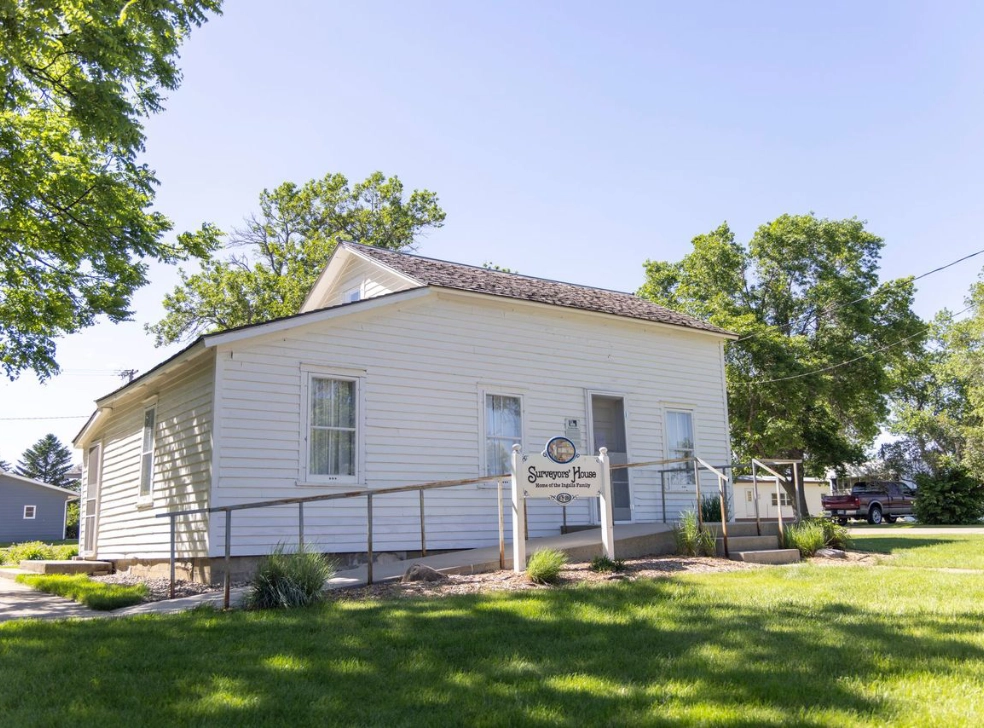
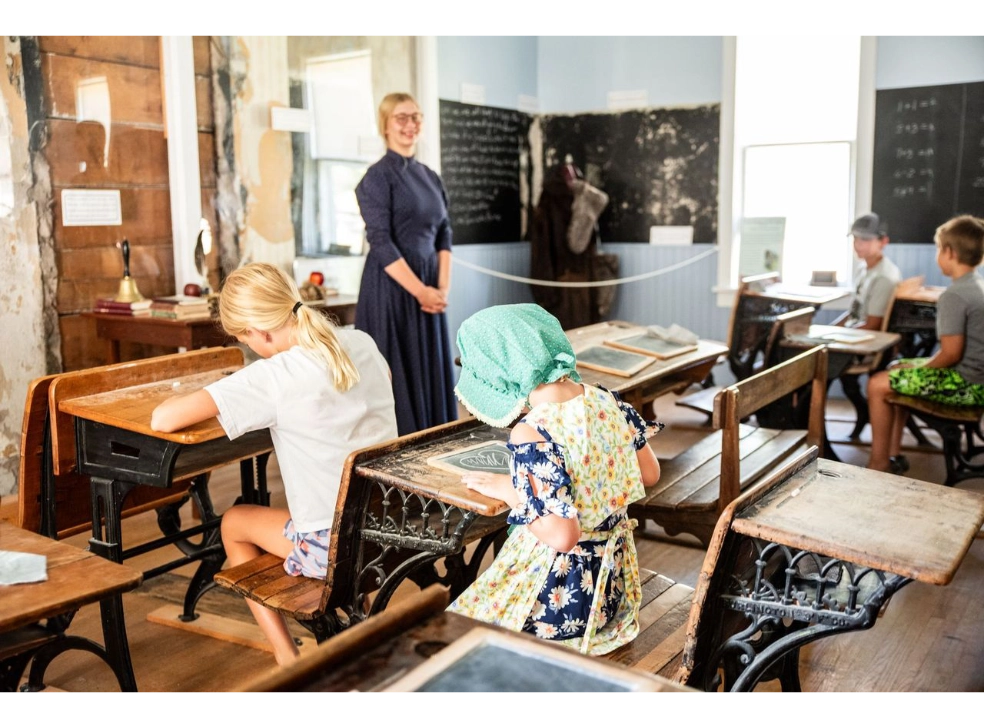
Visit site
Laura Ingalls Wilder Memorial Society

INGALLS HOMESTEAD

Laura’s Living Prairie

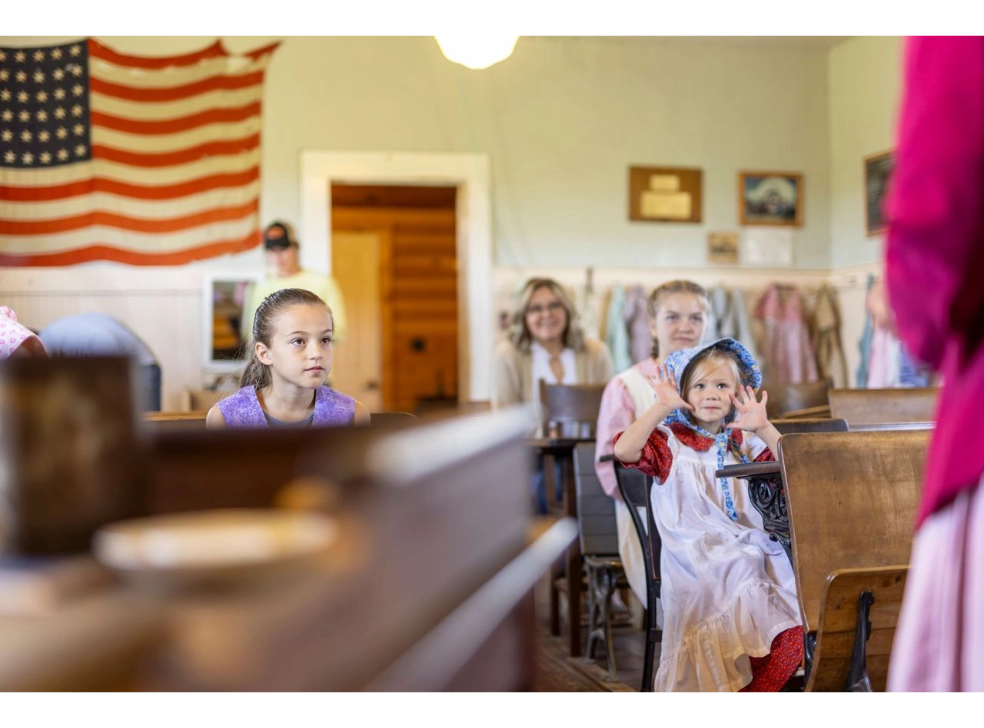
Drive a covered wagon, attend a one-room schoolhouse session, twist hay, grind wheat, make rope, wash clothes, experience homesteading history on the quarter-section of land Charles Ingalls earned through the Homestead Act. The Ingalls family lived on this piece of prairie from 1880 to 1887. Native grasses cover over 100 acres of this historic prairie, exhibits share homestead history, and hands-on activities showcase our agricultural heritage. Camp on Laura’s open prairie in a covered wagon, bunkhouse, RV and tents.

Open May - October.

Visit Site
Ingalls Homestead
Ingalls Homestead
Ingalls Homestead

THE LOFTUS STORE

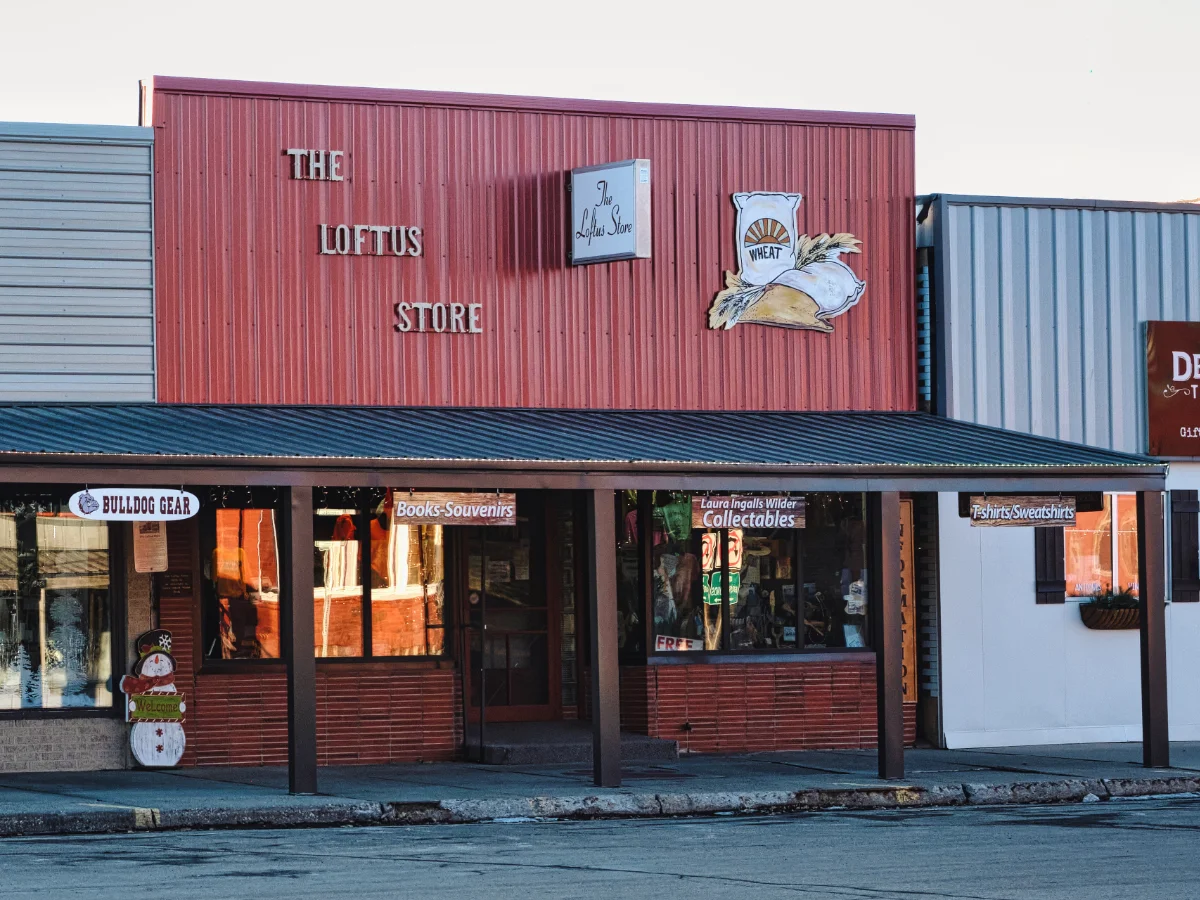
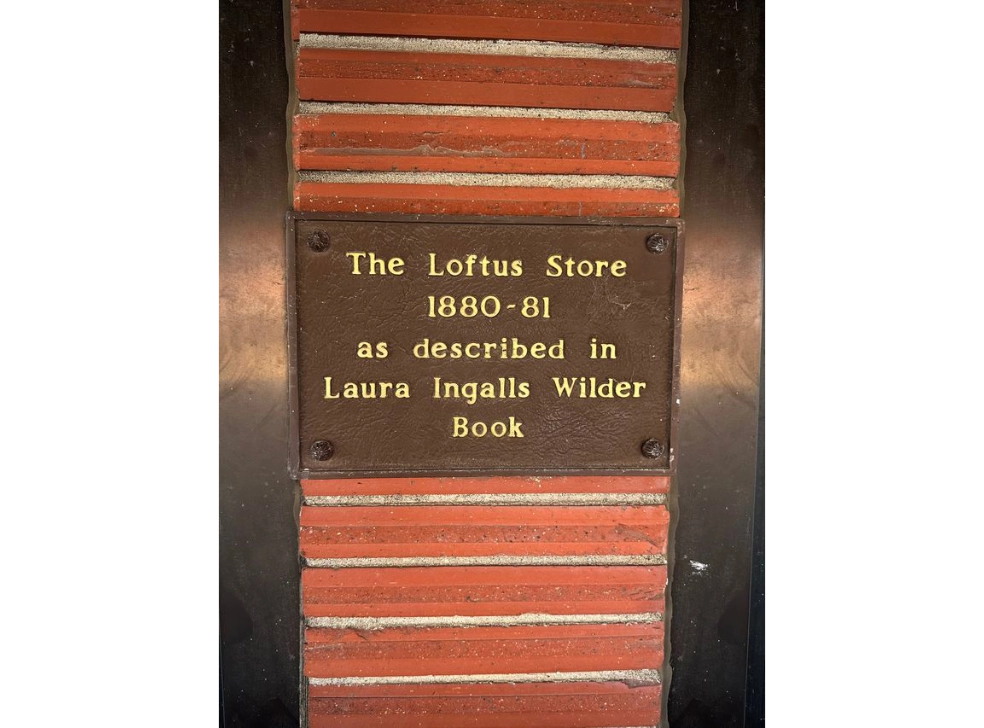
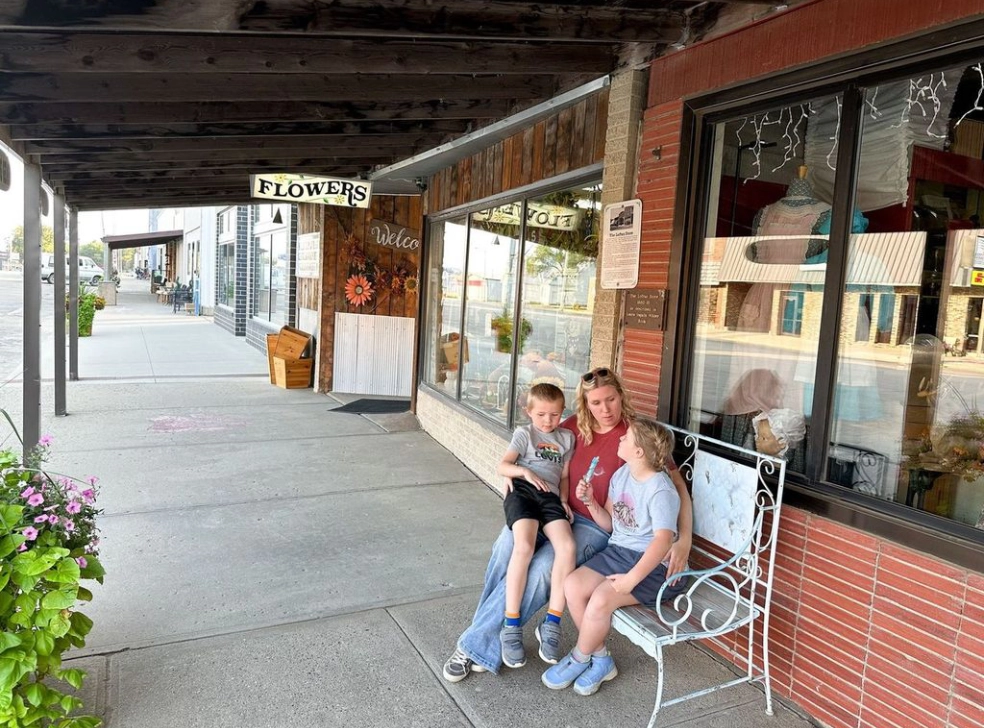
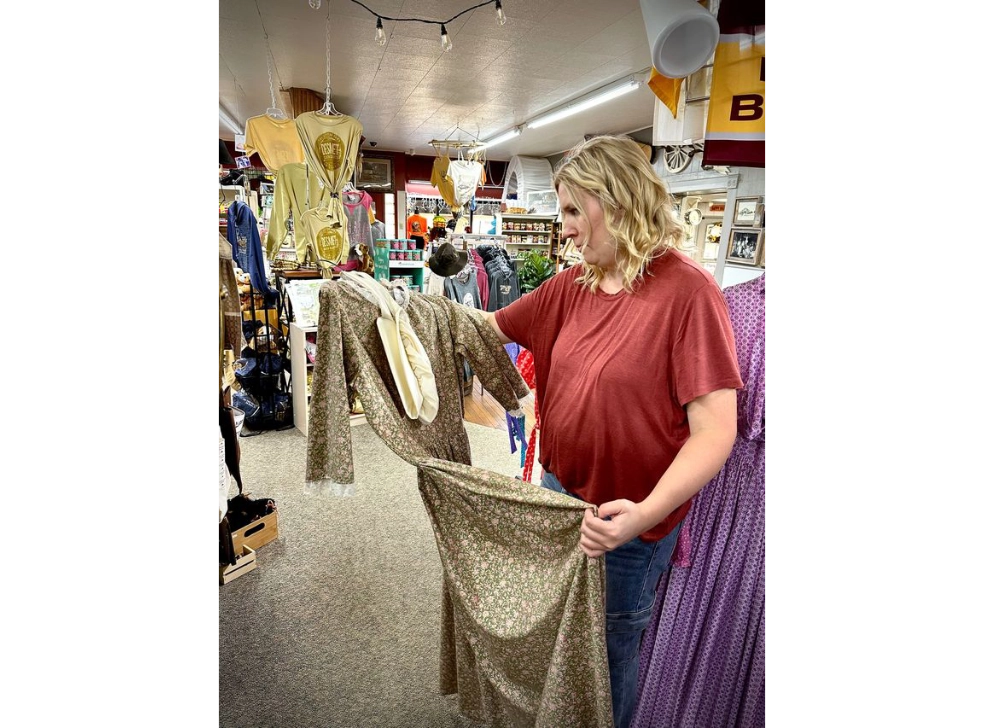
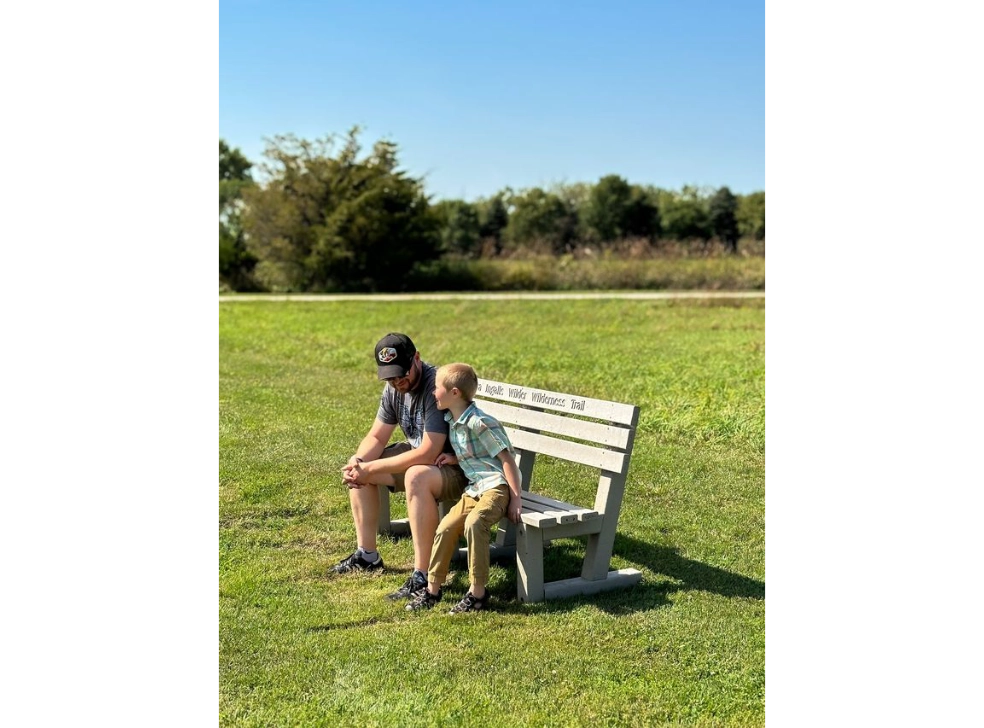
The Loftus Store is the only remaining structure on De Smet’s main street that Laura featured in her “Little House” books. Established by Daniel Loftus, who arrived in De Smet in late 1879, the Loftus Store became the town’s social center: men would play checkers and share the latest area news. Mr. Loftus operated the store until his death 43 years later. The Loftus store featured the finest goods on its shelves,ves becoming known as “The Quality Store.” Stop in to learn the history, see displays of memorabilia, and shop for the unique gifts and books. Open year-round.
Visit Site
Loftus Store
Loftus Store
Loftus Store
Loftus Store

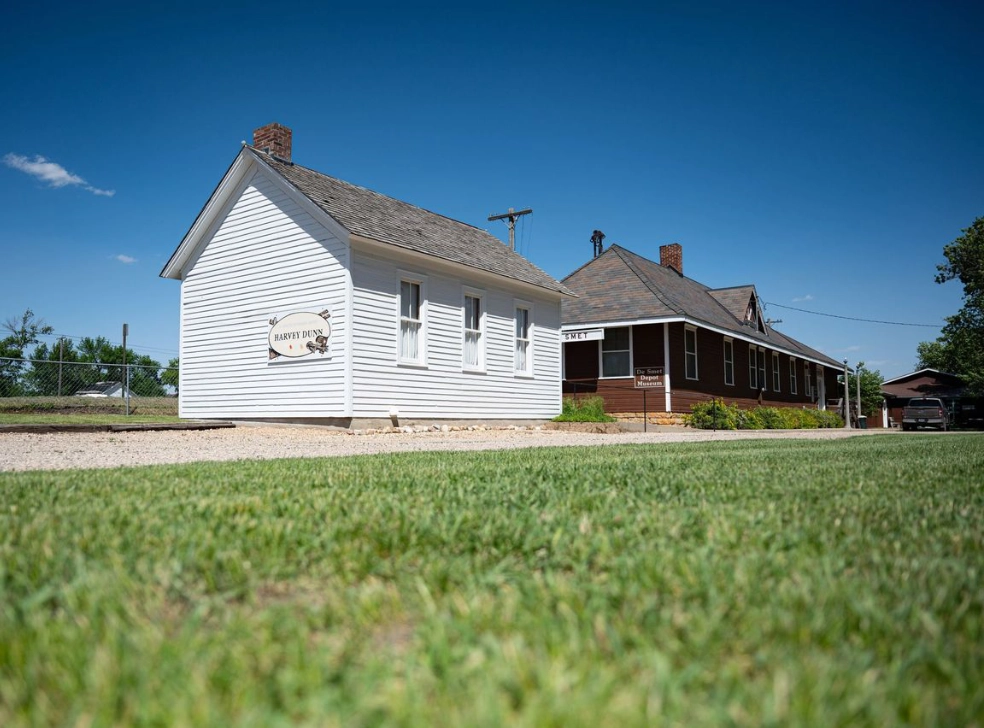
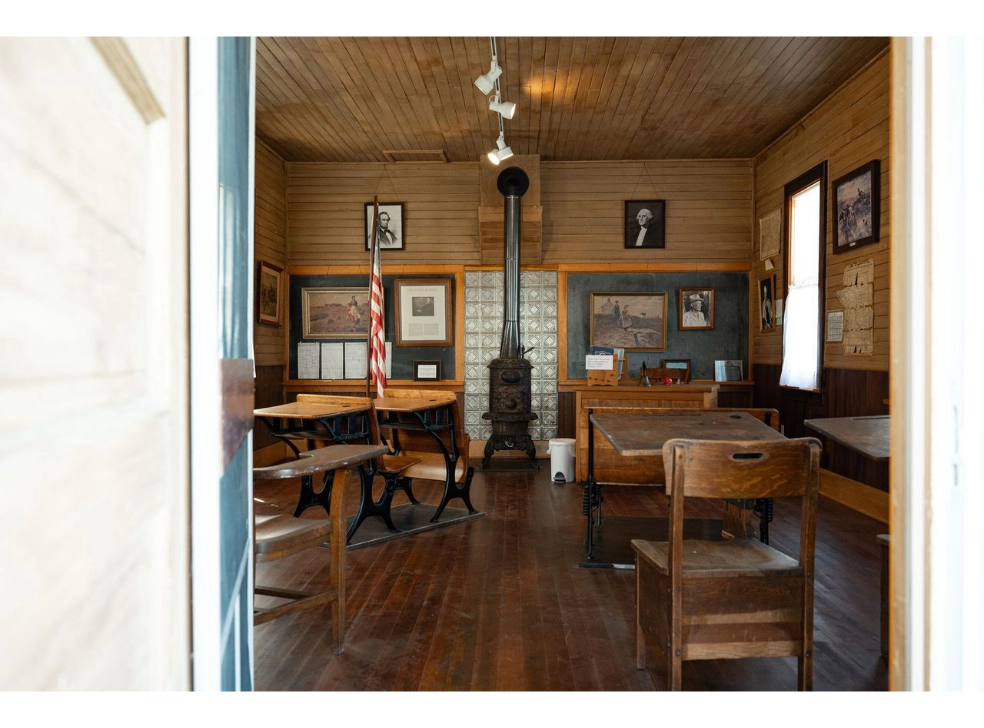
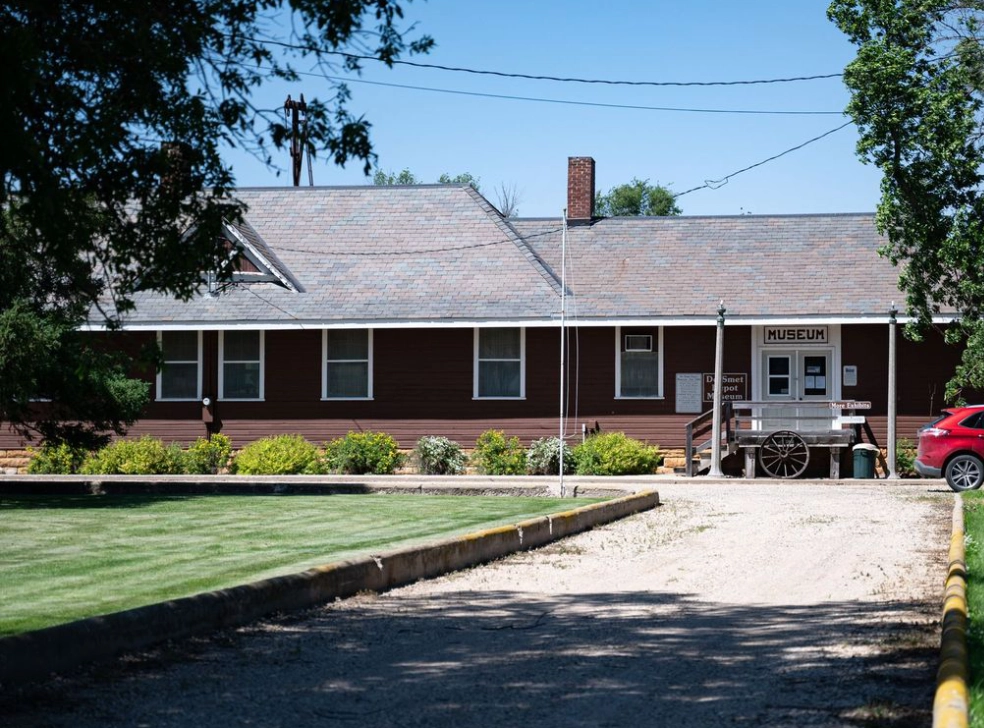
DEPOT MUSEUM & HARVEY DUNN SCHOOLHOUSE

Step back in time to the early days of De Smet. Built in 1906 after a fire in April 1905 destroyed the original depot, the museum building operated as a depot until 1955. The schoolhouse attended by Harvey Dunn was moved to De Smet and restored over 20 years ago. Dunn’s art captures the landscape and early pioneers who homesteaded in the area. The brick walkway on the west side of the depot grounds was laid by the Chicago Northwestern Railroad Company in 1906. Open June, July, and August and staffed by local volunteers.

Depot Museum
Depot Museum
Depot Museum

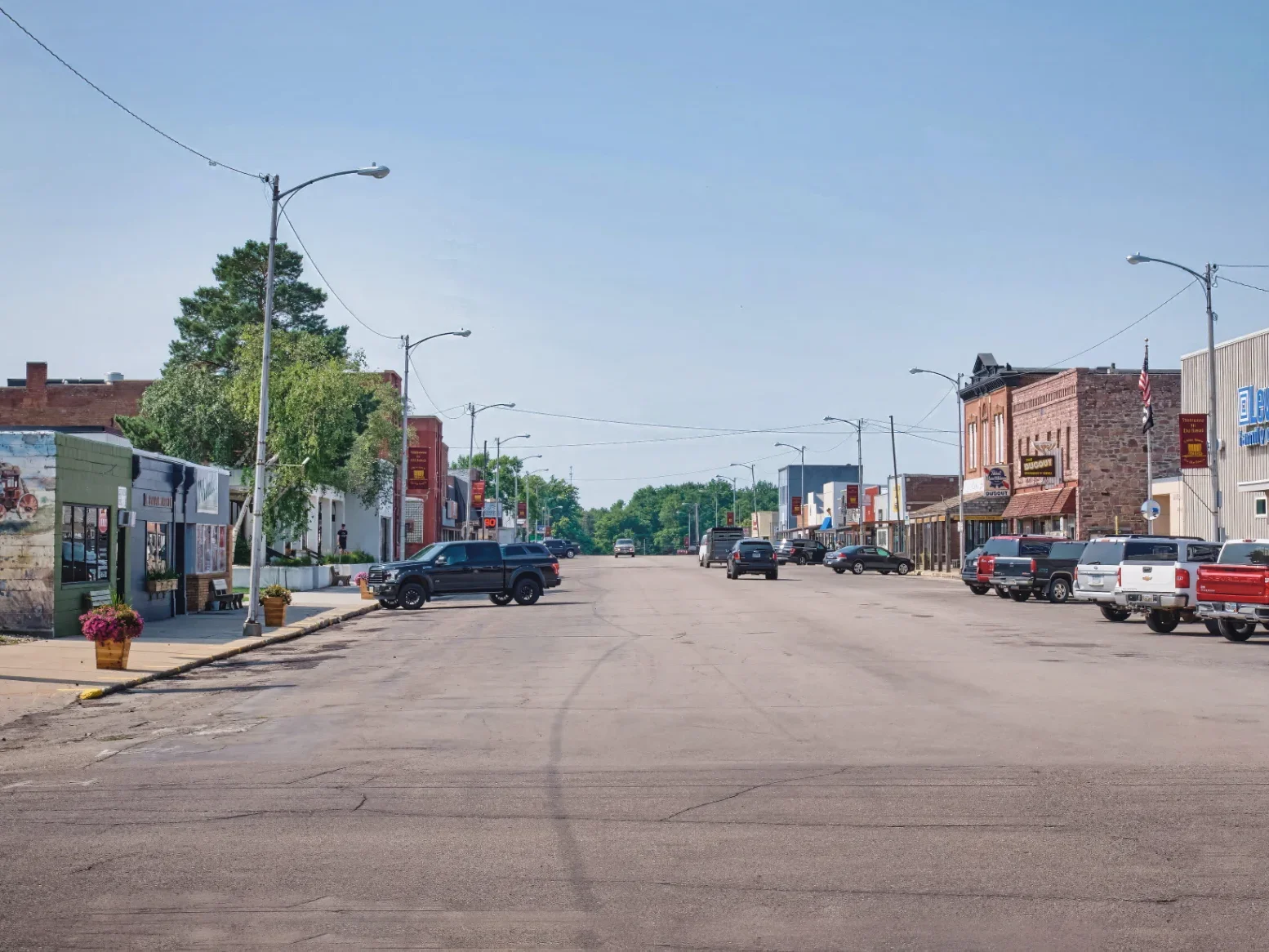
CALUMET AVENUE

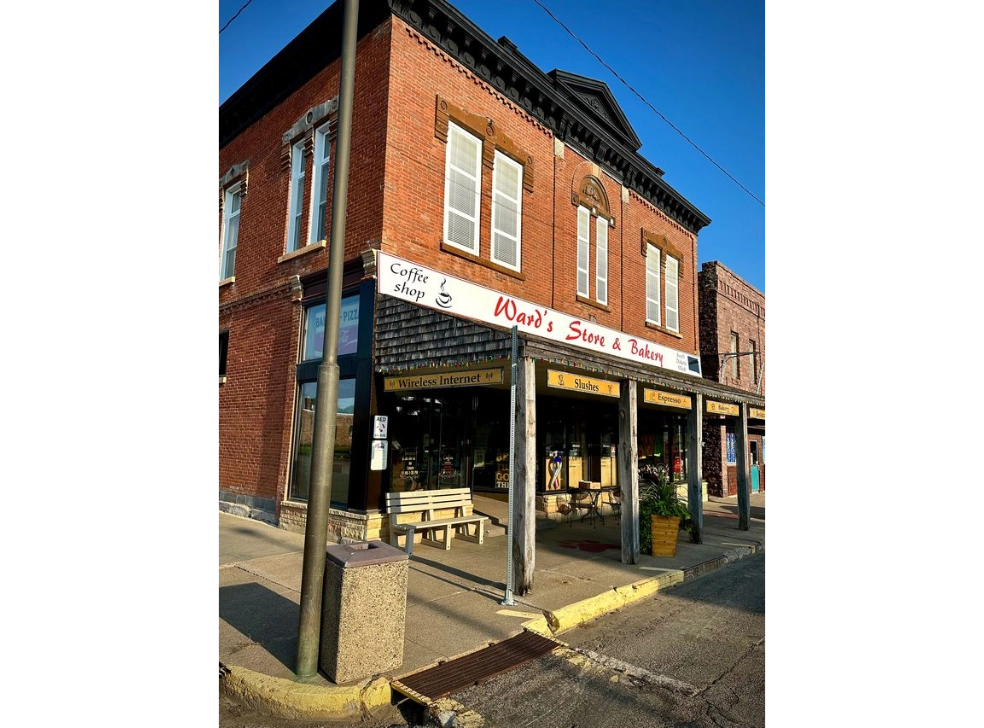
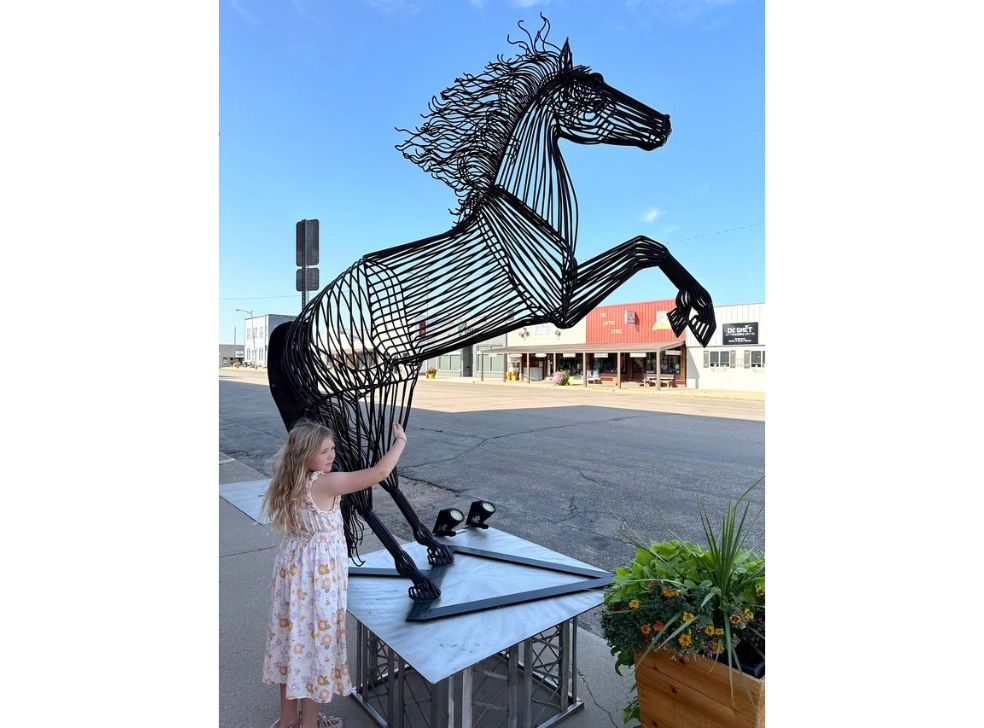
From De Smet’s first days to today, Calumet Avenue, known locally as main street, is the heart of the community. Charles Ingalls’s store, where the Ingalls Family lived during The Long Winter, sat at the southeast corner of 2nd Street and Calumet Avenue. This historic downtown features signage that shares each location’s history, public art, and multiple businesses in historic buildings. Grab lunch in the old Couse Opera House, now the Covered Wagon Cafe & Bakery, or spend the night in a renovated Victorian-era bank, now the Heritage House Bed & Breakfast, or shop at one of our great gift shops.

Calumet Avenue
Calumet Avenue
Calumet Avenue

DE SMET CEMETERY

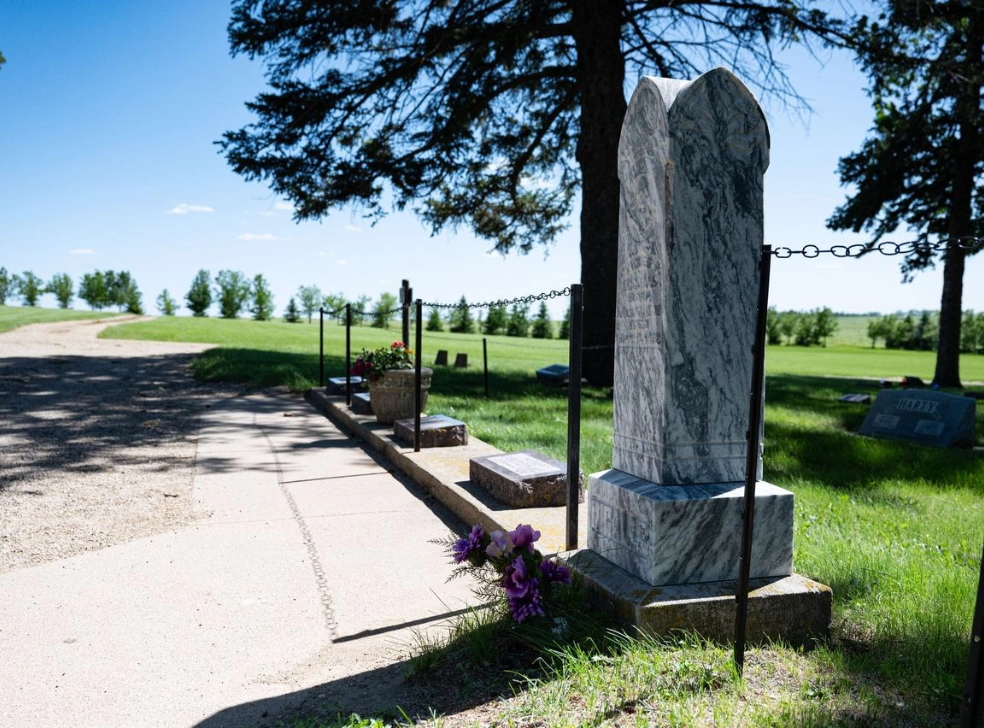
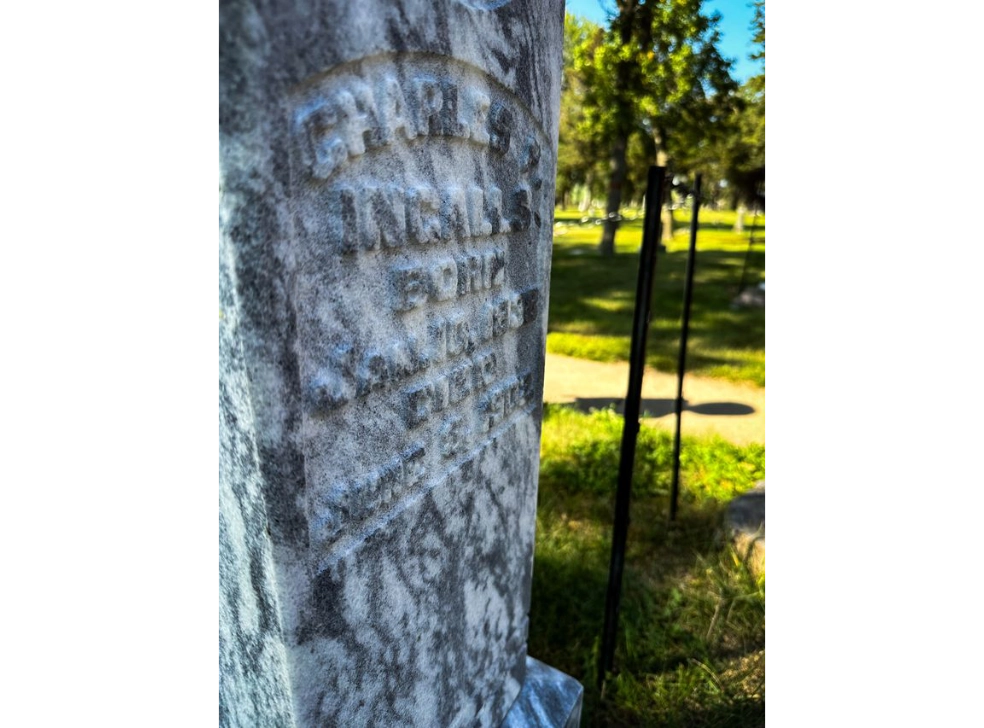
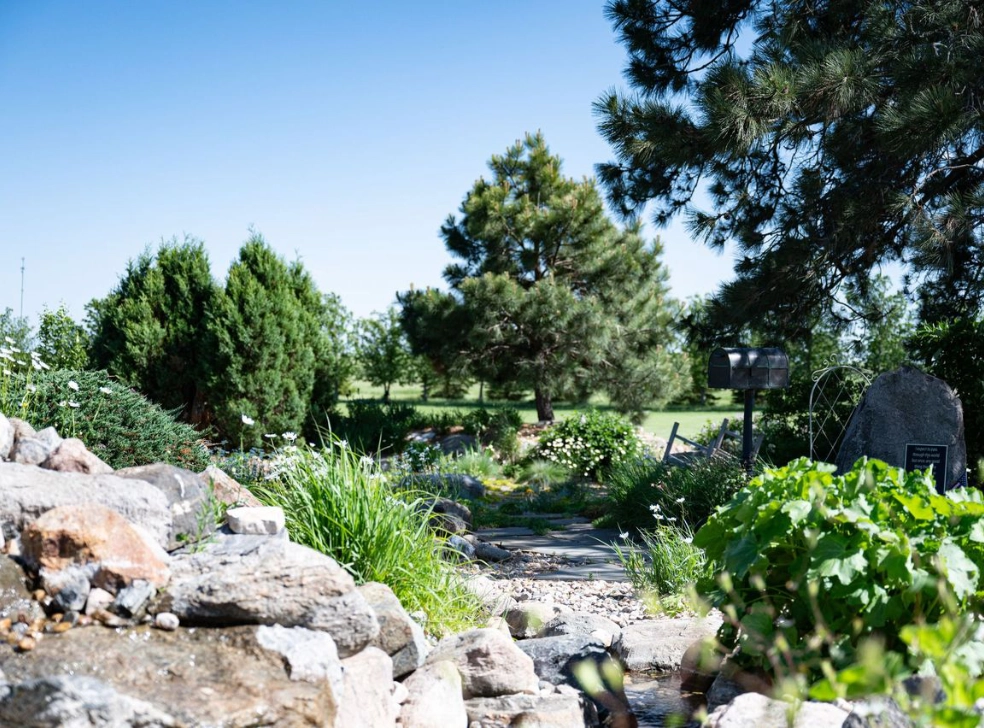
Located one mile southwest of De Smet and shaded by mature trees, the De Smet Cemetery is the final resting place of the Ingalls family, including Charles, Caroline, Mary, Carrie, Grace, and the infant son of Laura and Almanzo Wilder. Many other familiar names from the Little House books, as well as those of early pioneers, can be found throughout the cemetery. While the Cemetery Association incorporated in 1881, some headstones date back to 1880. The Garden of Remembrance, located on the hilltop, offers visitors a beautiful spot for reflection and peace.

De Smet Cemetary
De Smet Cemetary
De Smet Cemetary

SILVER LAKE & THE BIG SLOUGH

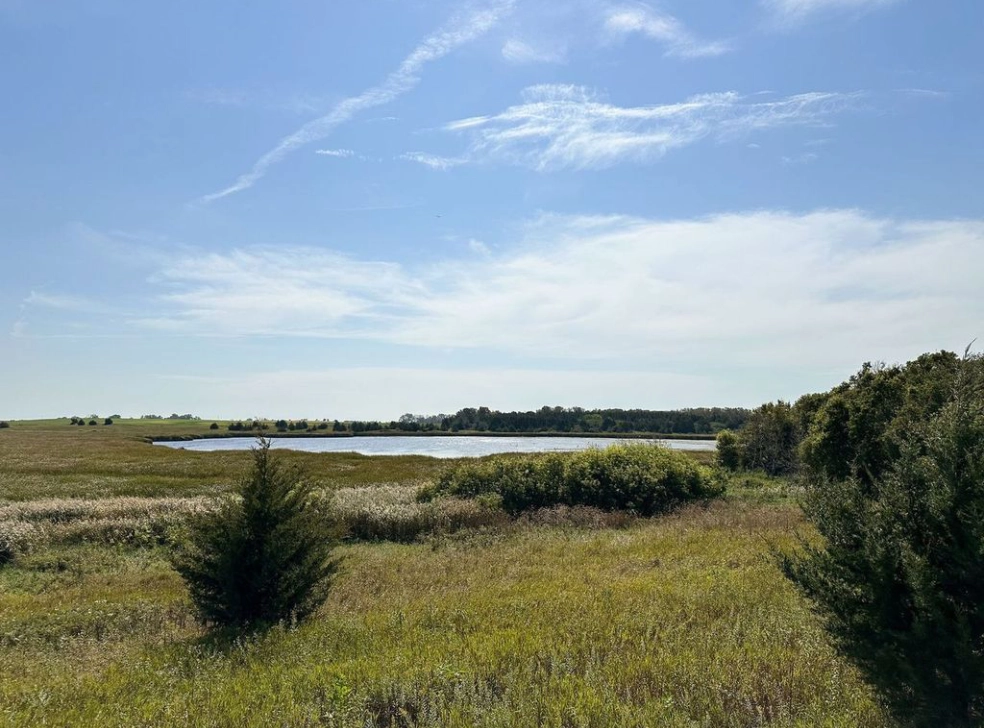
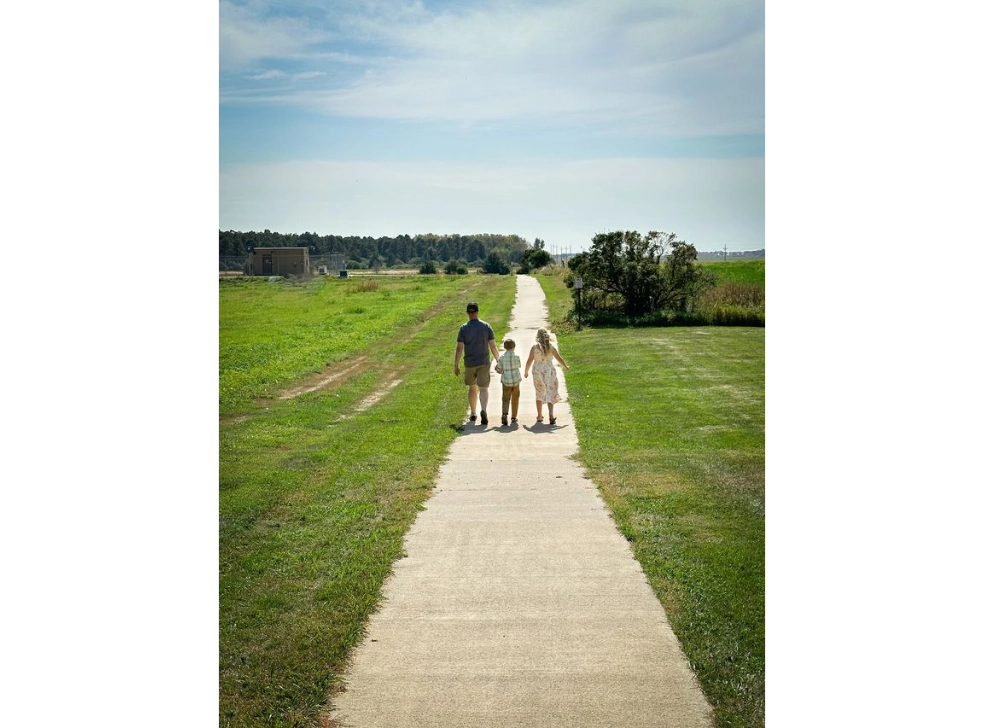
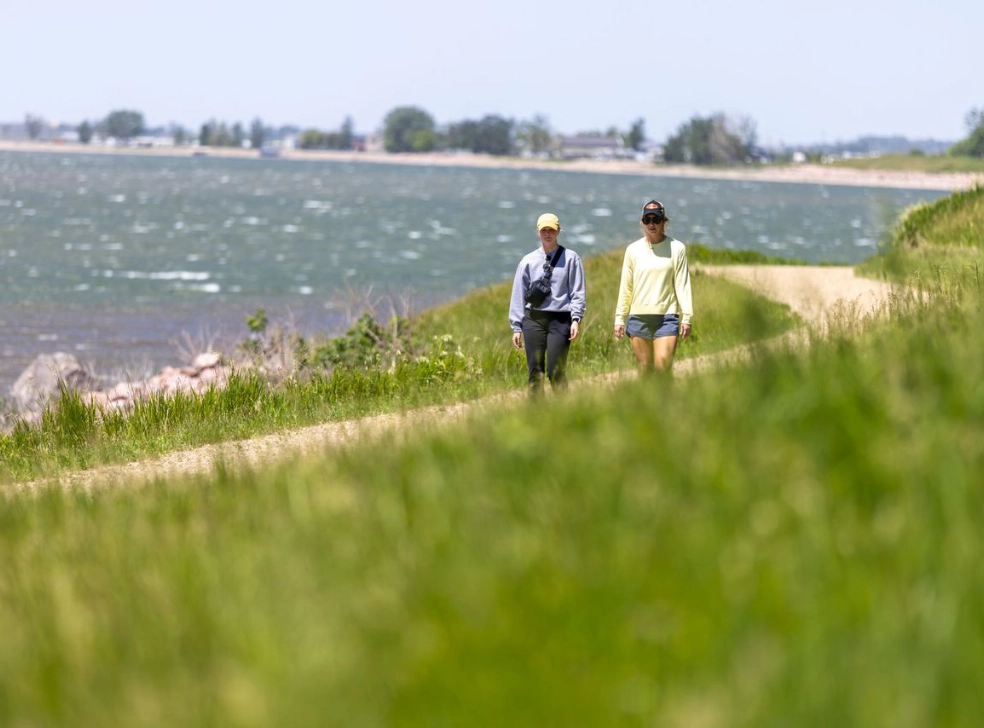
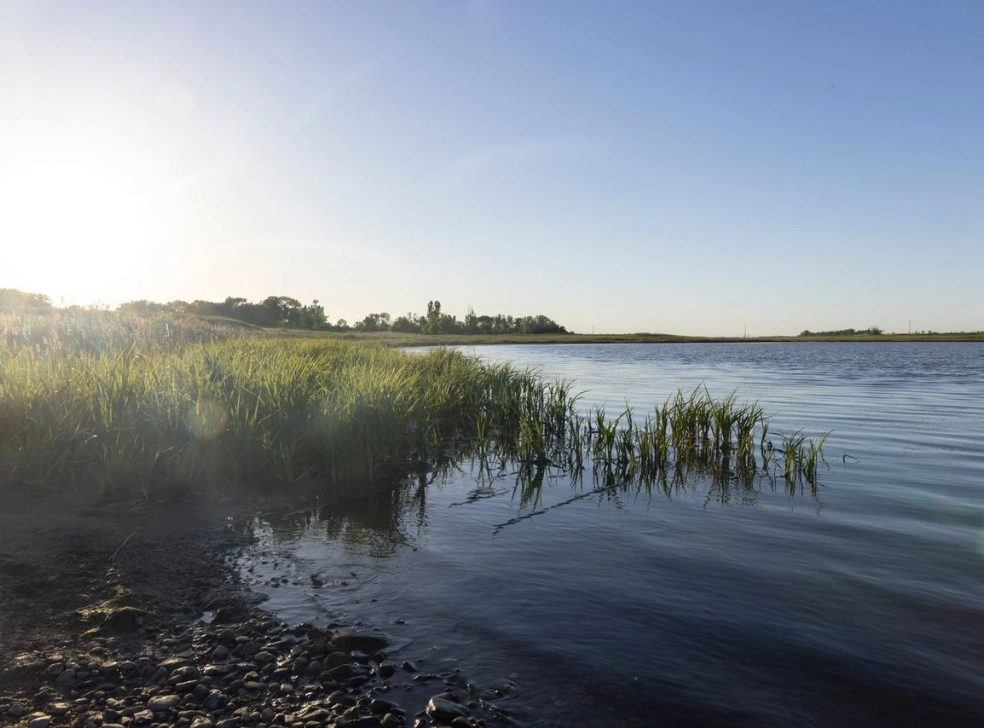
Silver Lake, a pothole lake, and the Big Slough wetlands were formed by melting glaciers. US Highway 14 runs through the Big Slough, with Silver Lake sitting to the north and east of the slough. The lake was drained in the early 19th century, but it still fills up during high rainfall. Laura describes that the railroad camp and Surveyor’s House sat to the northwest of the lake. The first phase of a walking trail is complete, with a longer trail and viewing tower planned for future development. Enjoy an easy walk back in history with an excellent opportunity for wildlife viewing.

Silver Lake
Silver Lake
Silver Lake

ALMANZO WILDER HOMESTEAD & TREE CLAIM SITES

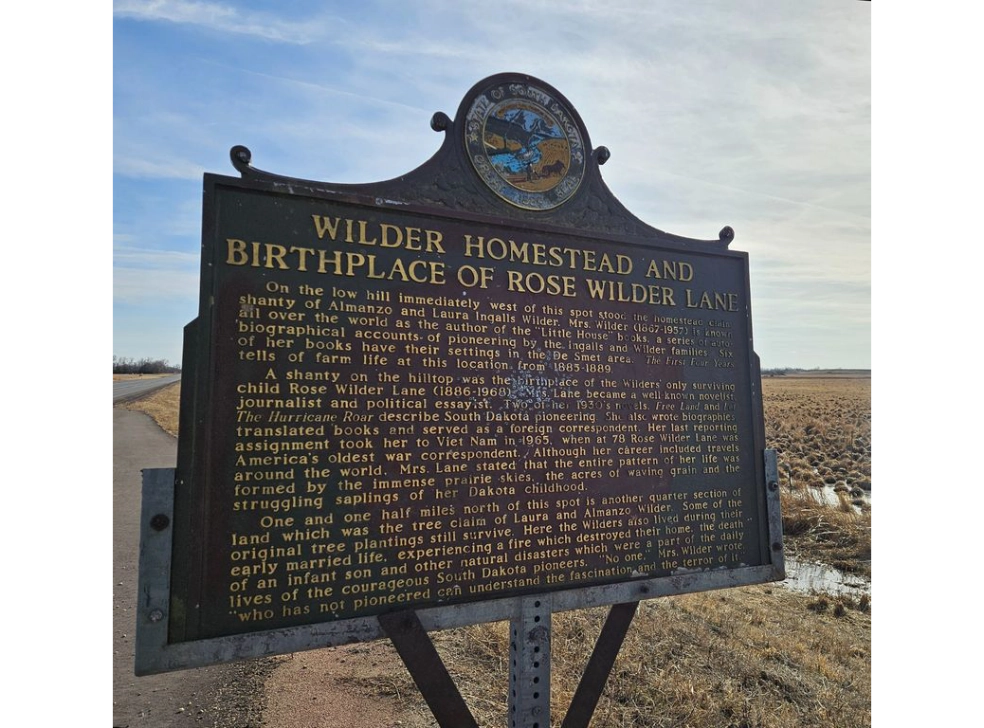
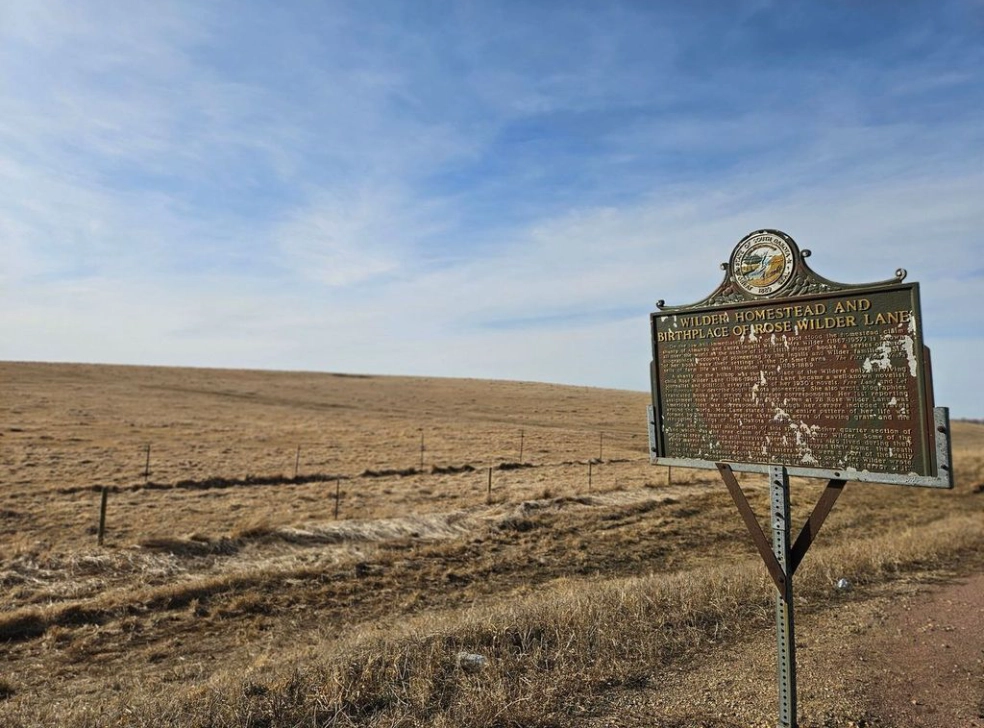
Almanzo Wilder arrived in De Smet in 1879 with his brother, Royal, and sister, Eliza Jane. They each filed on homestead and tree claims. Almanzo proved up on his homestead claim in 1884 and then married Laura in August 1885. They lived at his tree claim before moving to his homestead land, where Rose was born.

A historic marker sits one mile north of De Smet near the southeast corner of Almanzo’s homestead claim. The tree claim has no marker, but it is located one mile north of the homestead claim and is now De Smet’s airport, Wilder Field.

Wilder Homestead
Wilder Homestead

FIRST CONGREGATIONAL CHURCH

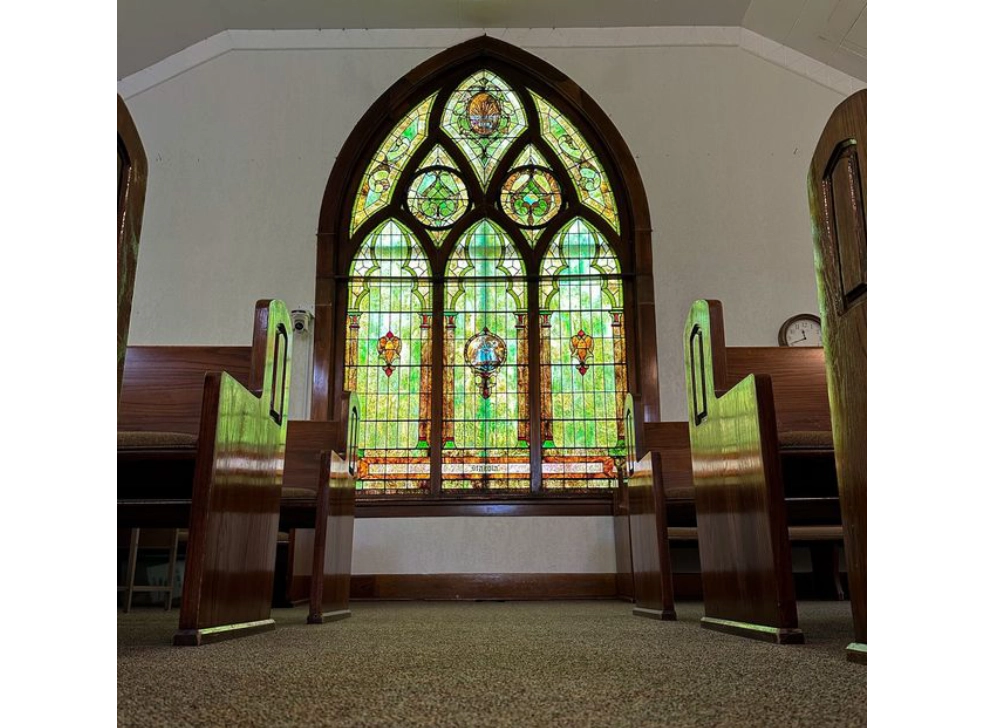
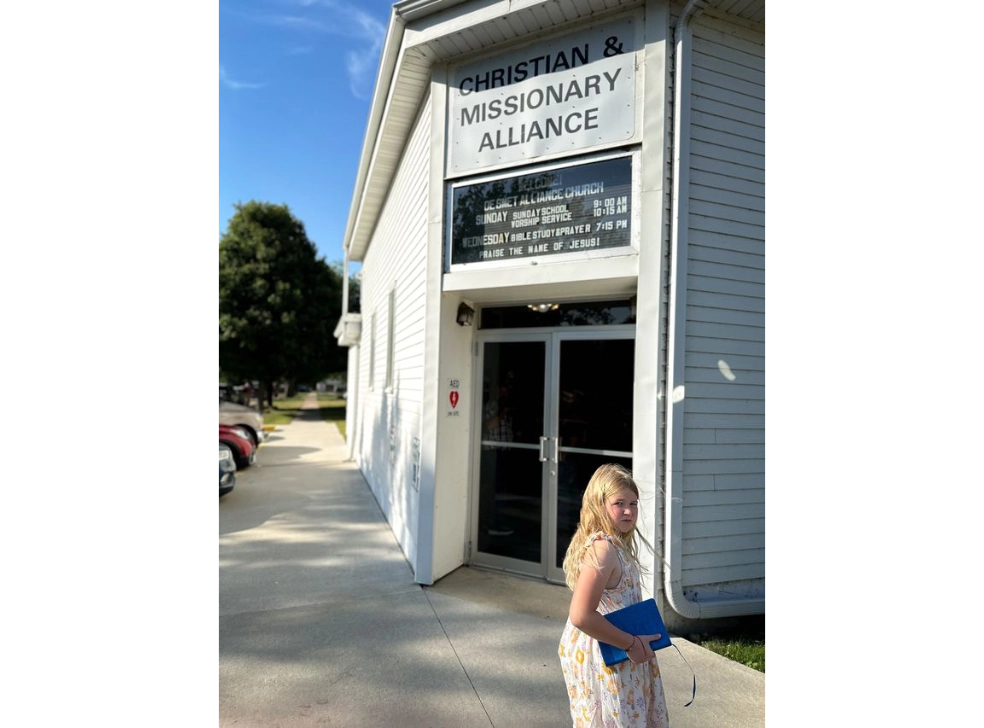
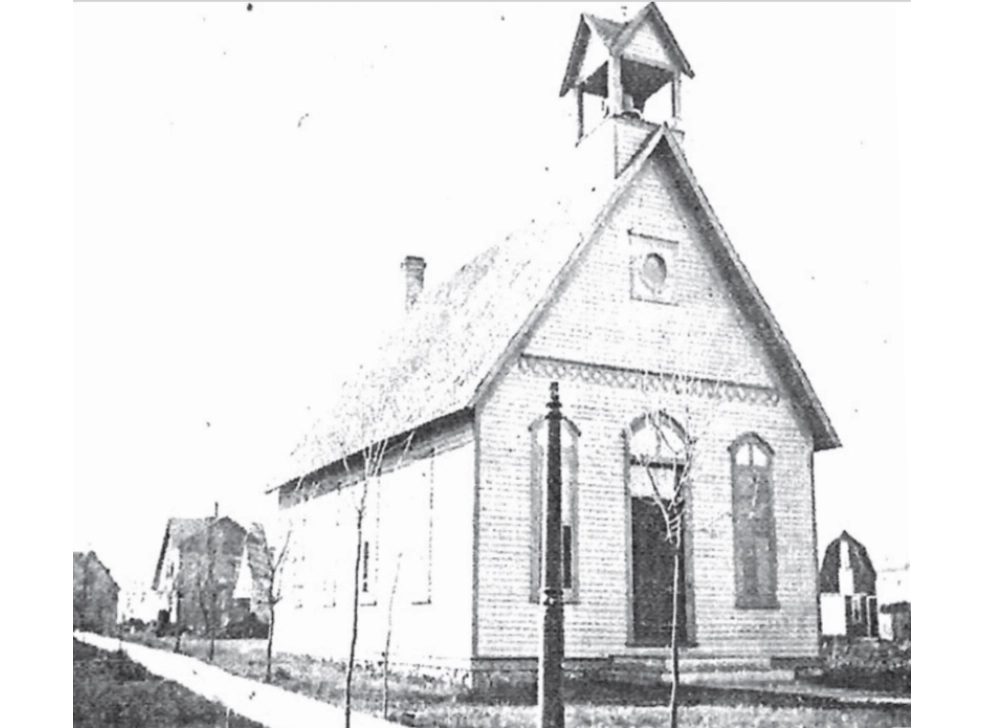
Located at the southeast corner of 2nd Street and Loftus Avenue and now the Christian and Missionary Alliance Church, the First Congregational Church was officially organized on June 20, 1880. The following year, money was raised to build a church, and Charles Ingalls assisted in the construction. The church purchased a 400-pound bell in December 1884 for $100.38. It was the first church bell to ring in Kingsbury County. The bell, still in use, was moved to the De Smet Community Church. Visitors are welcome to attend services at either location.

CMA Church
CMA Church
First Congregational Church

THE TWIN LAKES, LAKE HENRY & LAKE THOMPSON

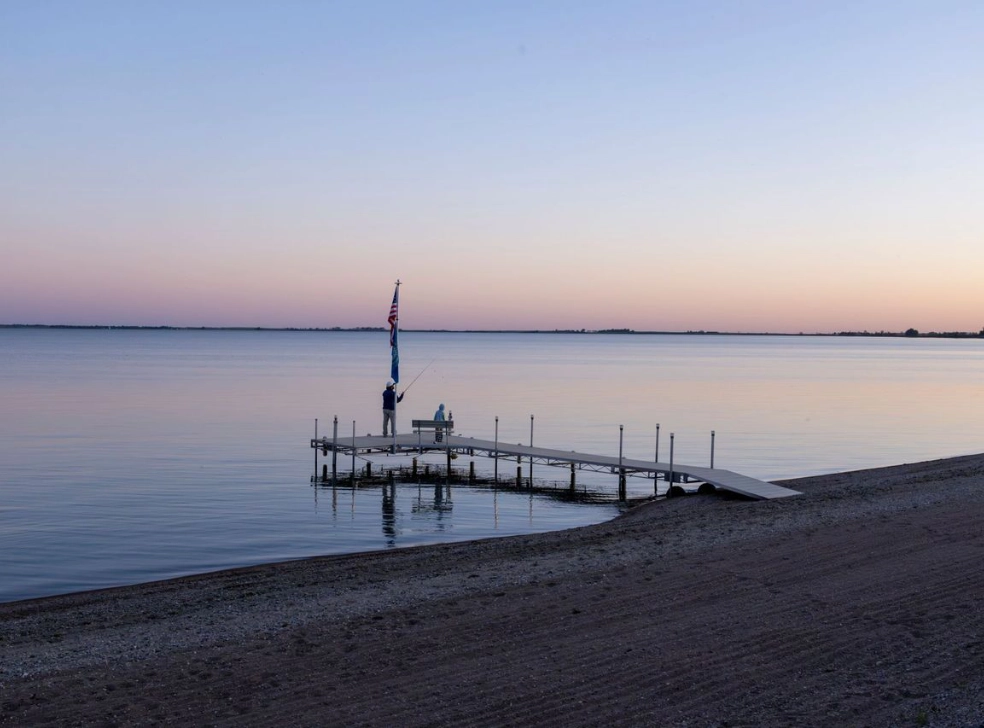
Laura refers to Lake Thompson and Lake Henry as the twin lakes in her “Little House” books. They were important landmarks and provided resources. Charles Ingalls hunted there and dug cottonwood trees from their banks to plant on his homestead. Laura and Almanzo took buggy rides along their shore. Originally called Dry Woods Lake by Native Americans, Lake Thompson was mostly dry for forty years. Heavy precipitation in the 1980s led to its refilling. It is now one of the largest natural lakes in South Dakota and was designated as a National Natural Landmark in 1975.

Twin Lakes
Twin Lakes
Twin Lakes
Section background
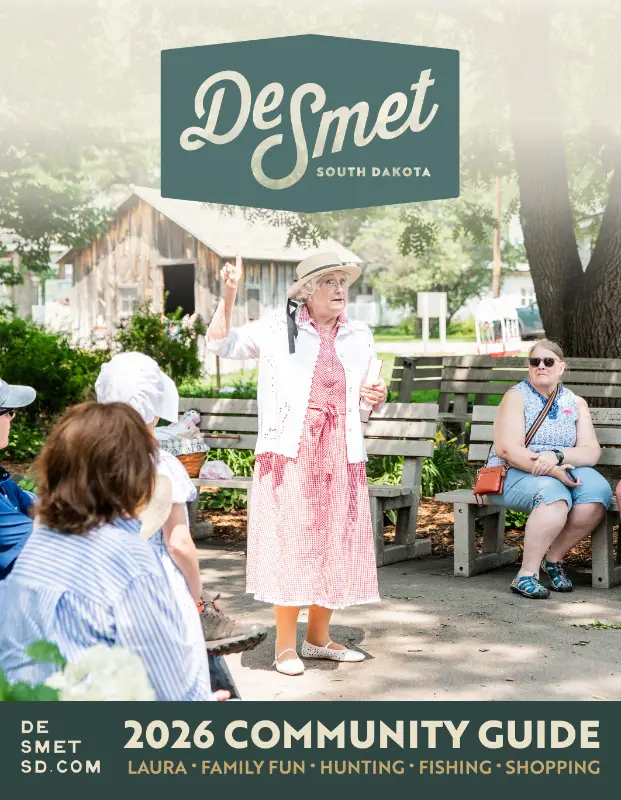
DOWNLOAD OUR 2026 COMMUNITY GUIDE
DOWNLOAD
Community Guide Cover Image